Romance’s Royal Obsession
Romance Tropes #2
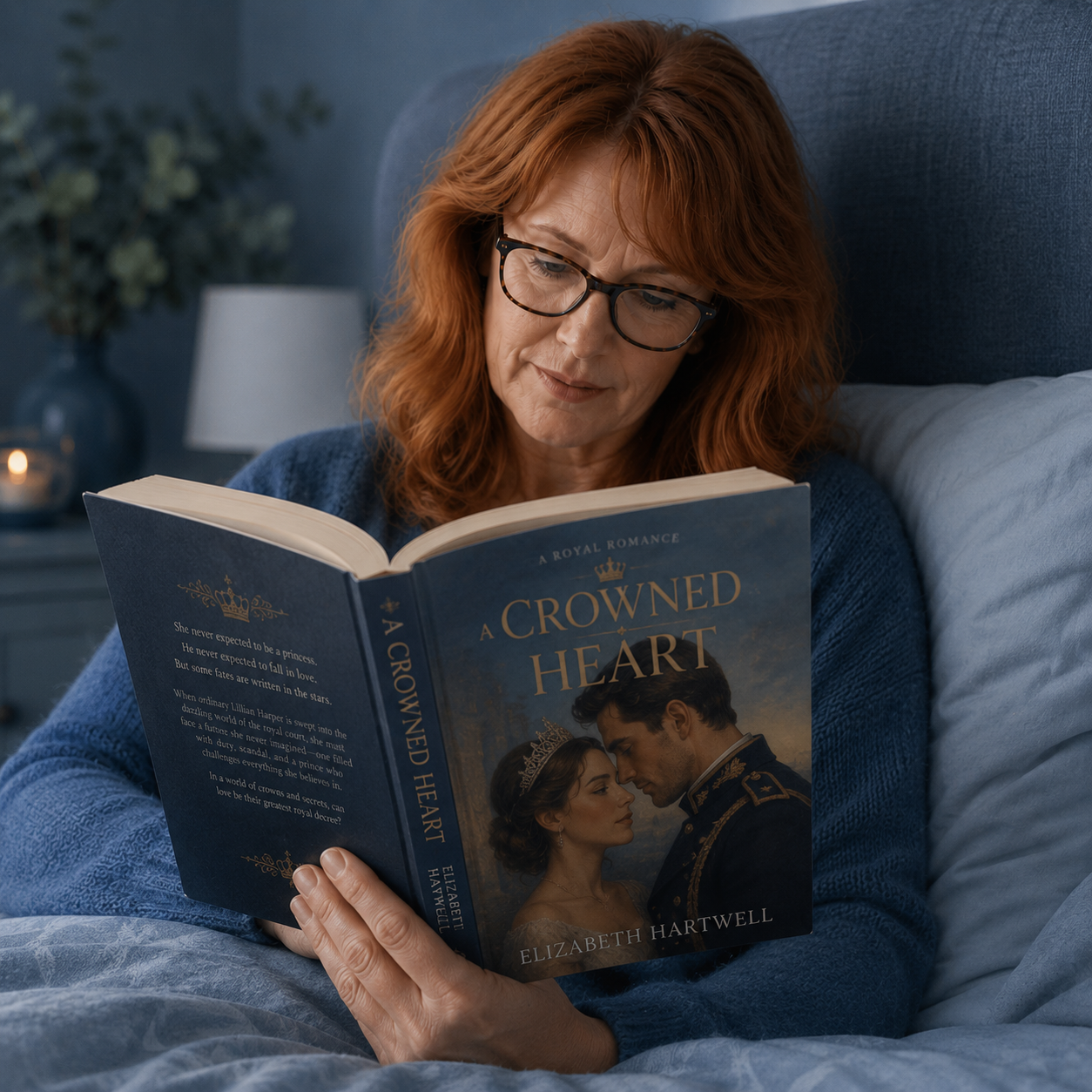
There is an extraordinary number of stories for the Royal romance genre built around a group of people that, in reality, barely exist in modern terms. Depending on how you count reigning houses, there are only a few dozen active monarchies in the world— but according to Amazon there are 30 000 or more titles, so the scale of fiction compared to reality is almost comically out of proportion.
It raises the same amused question as billionaire romance: how is it that there are tens of thousands of fictional royals and billionaires, when there are only a handful of the real thing? Between roughly 3,000 billionaires globally and a limited number of royal families, romance writers have certainly done a lot of imaginative “expansion” work.
But the appeal is easy to understand. Royal romance isn’t really about crowns or castles—it’s about transformation and legitimacy. The central fantasy is often the same: someone “ordinary” stepping into an extraordinary world and being not just accepted, but chosen. The crown becomes a symbol of ultimate recognition, and love becomes the force that bridges two very different lives.
It also taps into a very specific modern fascination: the idea of royalty becoming more human. Real-world examples like Denmark’s King Frederik and Queen Mary resonate strongly in this space. A woman from Australia meeting a prince while visiting for the summer Olympics to support the natioanal team. and eventually becoming queen feels like a living version of the genre’s blueprint. It’s not just fantasy—it occasionally brushes against reality, which only strengthens the appeal.
There’s also something comforting about the structure. Royal romance worlds are usually stable in their rules: inherited duty, public expectation, private longing. Within that framework, love feels both rebellious and redemptive.
And then there’s the sheer creative sprawl of it all. I sometimes think these books should have their own atlas—an unofficial map of fictional kingdoms that don’t exist but behave as if they do. I’ve joked that someone should actually chart them out: a sprawling political geography of invented European micro-states, each separated by conveniently dramatic mountain ranges and conveniently attractive neighbouring princes.
The popularity of royal romance feels closely aligned with billionaire romance, but with an extra layer of ritual and symbolism. Billionaires offer power through money; royals offer power through lineage. Both promise escape—but royalty adds the shimmer of tradition, destiny, and ceremony.
And perhaps that’s why, despite their impossibility, there are 30,000 versions of the same dream.